71 Innovation Dr, Unit 6, Vaughan · No referral needed · Direct billing available
Mon to Fri 9 am to 8 pm · Sat 9 am to 4 pm
Home / Conditions / Vestibular conditions
Head and neck · Condition guide
Vestibular conditions affect the inner ear and the brain’s balance system, causing dizziness, vertigo or a feeling of being off balance. Recoup Health provides vestibular therapy in Vaughan, using targeted exercises and hands-on care to reduce symptoms and help you move with confidence again. Our physiotherapy and chiropractic team works under one roof.

Treated with
Physio, chiropractic, massage
Referral
Not needed
Billing
Direct to most insurers
Your vestibular system sits in the inner ear and works with your eyes and neck to tell your brain where your head is in space. When one part of that system sends mixed signals, the result can be dizziness, spinning or unsteadiness.
The most common vestibular problem is benign paroxysmal positional vertigo, or BPPV, where tiny crystals in the inner ear shift out of place and cause brief spinning when you roll over or look up. Other causes include inner ear inflammation after a virus, dizziness after a concussion, and dizziness that starts in the neck. Vestibular rehabilitation is a form of physiotherapy that retrains how the brain processes balance information, so everyday movement feels steadier.
●
Spinning vertigo when you roll over, lie down or look up
●
Light-headedness or a rocking, floating feeling
●
Unsteady walking or drifting to one side
●
Blurry or jumpy vision when you move your head
●
Nausea, fatigue or discomfort in busy places like grocery stores
●
Loose inner ear crystals, known as BPPV
●
Inner ear or nerve inflammation, such as vestibular neuritis or labyrinthitis
●
A head injury or concussion
●
Neck stiffness or injury, including whiplash among other car accident injuries
●
Age-related changes in the balance system
Call 911 if dizziness comes on suddenly with a severe headache, facial drooping, slurred speech, double vision, weakness or numbness on one side, or trouble walking, since these can be signs of a stroke. Dizziness with chest pain, fainting or a racing heartbeat also needs emergency care. Sudden hearing loss in one ear should be seen by a physician the same day.
Treatment options at Recoup Health
Treatment starts by working out which part of the balance system is involved, through questions, eye movement checks and positional tests. Our physiotherapy and chiropractic team then matches your treatment to the cause.
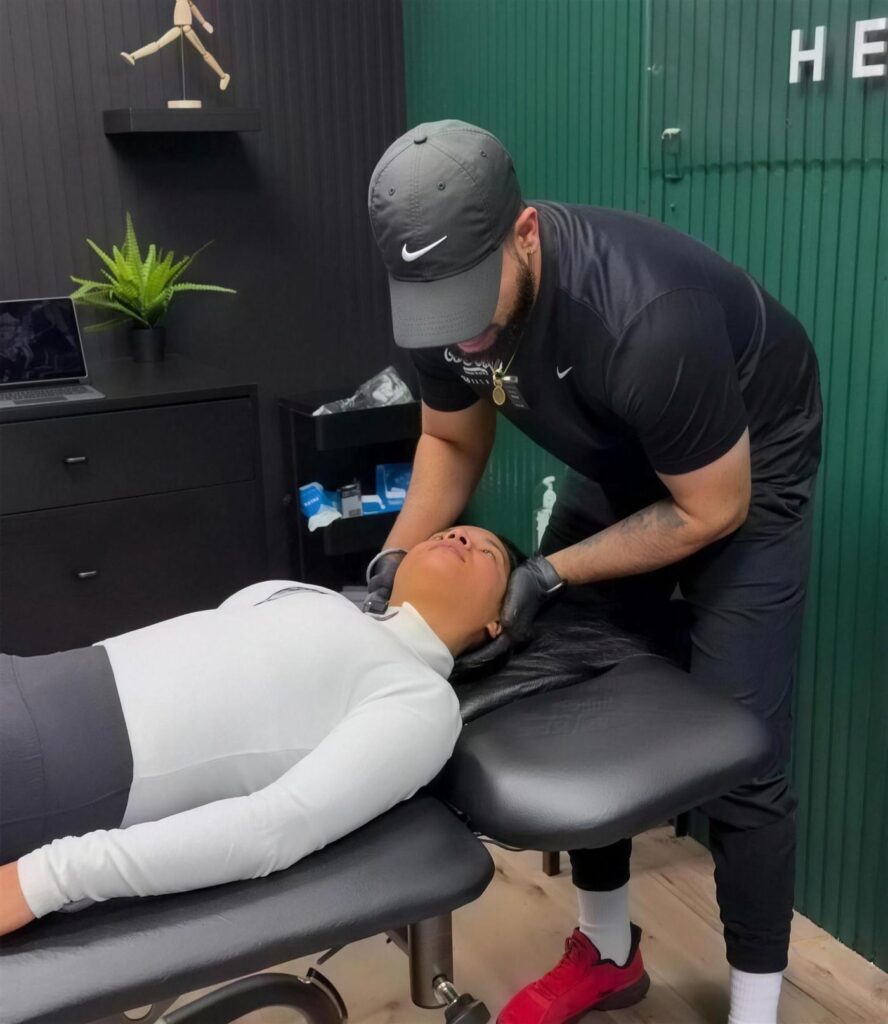
Repositioning manoeuvres for BPPV when appropriate, plus gaze stability and balance exercises.
See physiotherapy
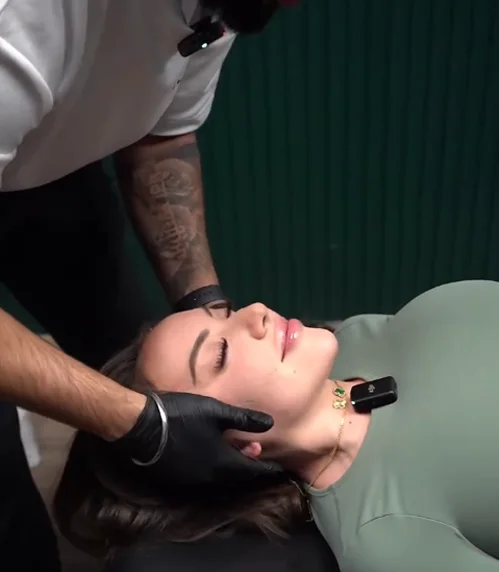
Assessment and gentle care for neck stiffness that can contribute to dizziness.
See chiropractic care
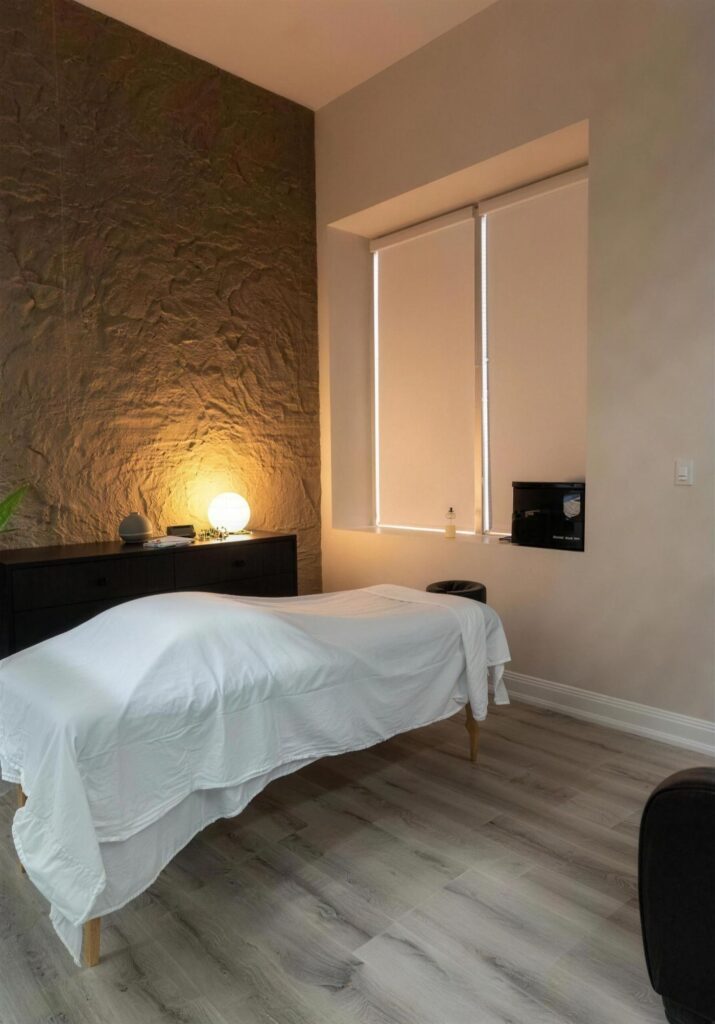
Eases the tight neck and shoulder muscles that often build up when you've been dizzy and guarded.
See massage therapy
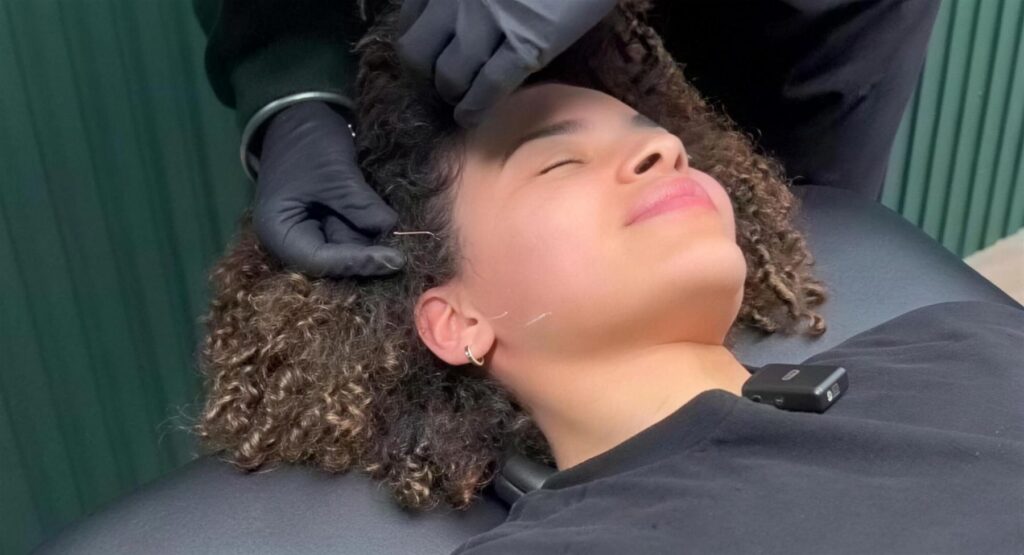
Gentle techniques for the neck and upper back to support comfortable head movement.
See osteopathy
Your recovery plan
01
Positional tests and a balance assessment to find what's driving your dizziness.
02
Repositioning, gaze stability and habituation exercises matched to your symptoms.
03
Balance and walking practice so busy places, stairs and quick turns feel normal again.
These tips can make dizzy days safer while you work through your exercises. If your dizziness changes or you have a fall, let our front desk know so your practitioner can review your plan.
Get up slowly
Sit on the edge of the bed for a moment before you stand up in the morning.
Clear trip hazards
Remove loose rugs and keep a night light on for bathroom trips.
Do your exercises often
Short, regular sessions retrain balance better than occasional long ones.
Don't avoid all movement
Gently repeating the movements that bother you helps the brain adapt over time.
Practitioners who treat vestibular conditions
Vestibular therapy FAQ
Can’t find your answer? Call us at 905-605-9020 or email info@recouphealth.ca.
Vestibular therapy is an exercise-based form of physiotherapy that helps reduce dizziness and improve balance. It uses head, eye and body movements to retrain the brain to process balance signals. Much of the program is done at home between visits.
Vestibular therapy can help vertigo, particularly when it's caused by BPPV. A gentle repositioning manoeuvre aims to move the loose inner ear crystals back where they belong. Other types of vertigo tend to respond to gradual balance and gaze exercises.
You may get dizzy when you turn your head because of loose inner ear crystals, a weaker signal from one inner ear, or stiffness and irritation in your neck. Each cause has its own pattern and treatment. A vestibular assessment helps tell them apart.
Neck problems can cause dizziness, usually felt as unsteadiness rather than spinning. This is often called cervicogenic dizziness and tends to come with neck pain or stiffness. Treating the neck with chiropractic care, physiotherapy and massage may ease both.
Dizziness after a concussion is treatable for many people through vestibular and balance exercises. It's one of the most common lingering symptoms after a head injury. Your exercises are graded so symptoms aren't pushed too hard.
You don't need a doctor's referral before vestibular therapy in Vaughan, but some types of dizziness need medical care first. If you have sudden hearing loss, a severe headache or stroke-like symptoms, see a physician right away. For other dizziness, you can book directly at Recoup Health's Vaughan clinic.
Related conditions

Reclaim · Recover · Recoup
Book online in under a minute, or call and our front desk will match you with the right practitioner for your concern.
Visit the clinic
71 Innovation Dr, Unit 6
Vaughan, ON L4H 0S3
Mon to Fri · 9 am to 8 pm
Saturday · 9 am to 4 pm
Sunday · Closed