71 Innovation Dr, Unit 6, Vaughan · No referral needed · Direct billing available
Mon to Fri 9 am to 8 pm · Sat 9 am to 4 pm
Home / Conditions / Muscle sprains and strains
Muscles and ligaments · Condition guide
A pulled hamstring, a tweaked back or a jammed thumb can stop you in your tracks, and the right first steps matter. Recoup Health provides sprain and strain treatment in Vaughan, using physiotherapy and hands-on care to protect the injured tissue early, then rebuild strength so it can handle work and sport again.

Treated with
Physio, massage, stretch therapy
Referral
Not needed
Billing
Direct to most insurers
A sprain is an overstretch or tear of a ligament, which joins bone to bone, while a strain affects a muscle or the tendon that attaches it to bone.
Sprains are common in the ankle, knee, wrist and thumb, while strains often show up in the hamstrings, calves, groin and lower back. Both are graded from mild fibre damage to a complete tear. Most heal well with good care, but rushing back too soon is a frequent cause of re-injury. If your sprain is in the ankle, our guide to rolled and sprained ankles goes into more detail. Recoup Health in Vaughan treats both kinds of soft tissue injury with a staged plan.
●
Sudden pain at the moment of injury, sometimes with a pop
●
Swelling and bruising over the area
●
Muscle spasm, cramping or tightness
●
Weakness or pain when you use the muscle or joint
●
Reduced range of motion and stiffness
●
Sprinting, jumping or kicking without enough warm-up
●
Lifting something heavy with a twist
●
Falls or awkward landings that force a joint past its range
●
Fatigue late in a game or a long shift
●
Returning to a sport at full intensity after time off
Go to the emergency department if you heard a loud pop and can't use the limb at all, the area looks deformed, or the skin below the injury turns numb, cold or pale. Severe muscle pain and swelling with dark, cola-coloured urine after very hard exercise can be a sign of muscle breakdown and needs urgent medical care.
Treatment options at Recoup Health
Your plan depends on which tissue is injured and how badly, so we start with a careful assessment. You can schedule an injury assessment online or by phone.
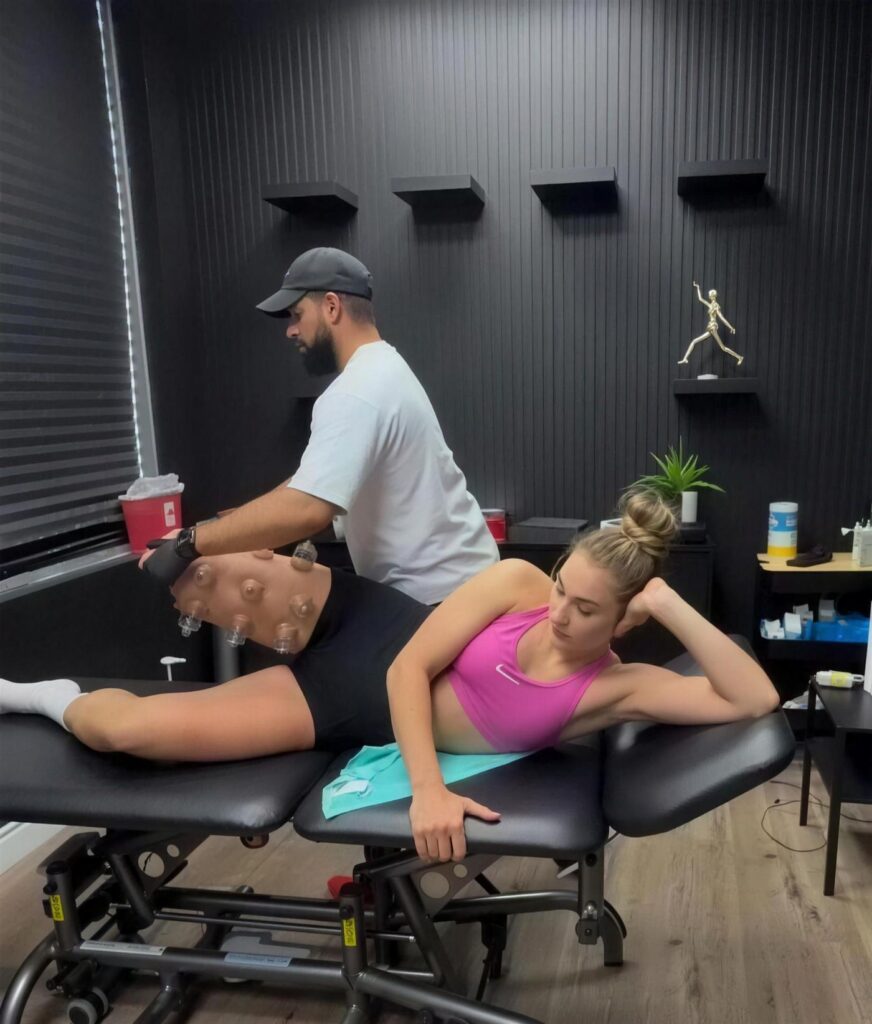
Graded exercise loads the healing tissue at the right pace.
See physiotherapy
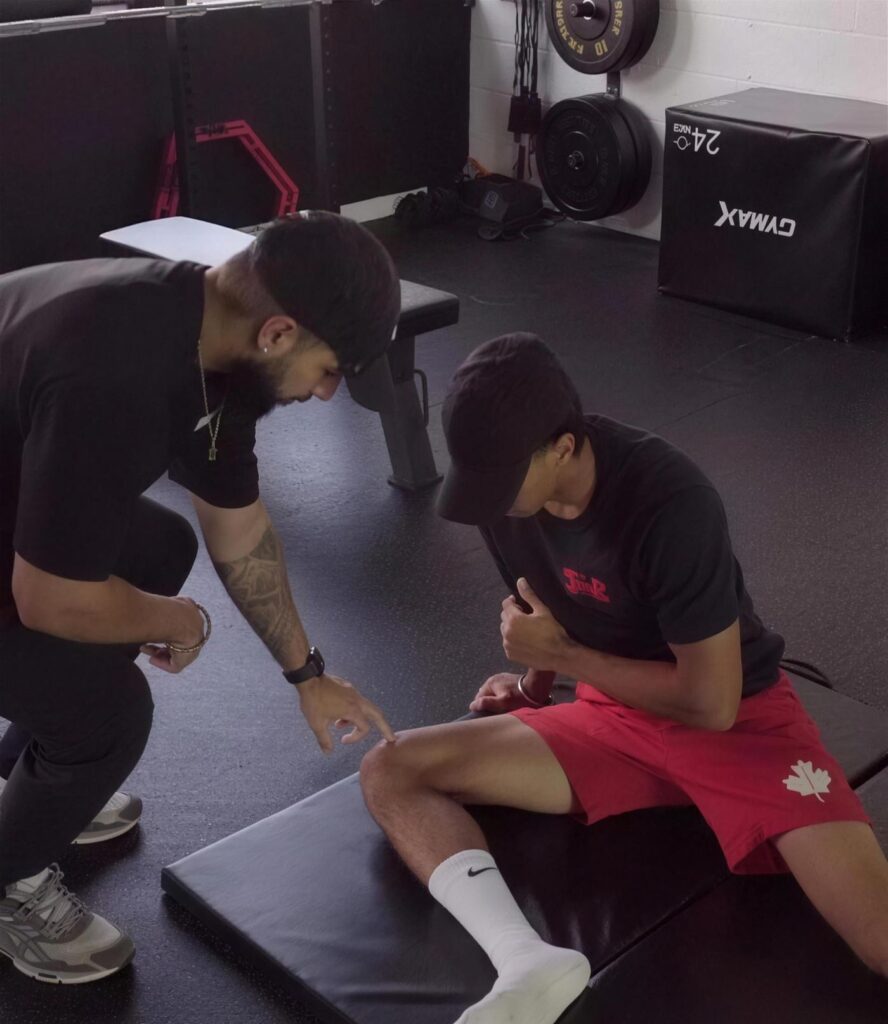
Speed, agility and sport-specific drills come before you return to play.
See sports physiotherapy
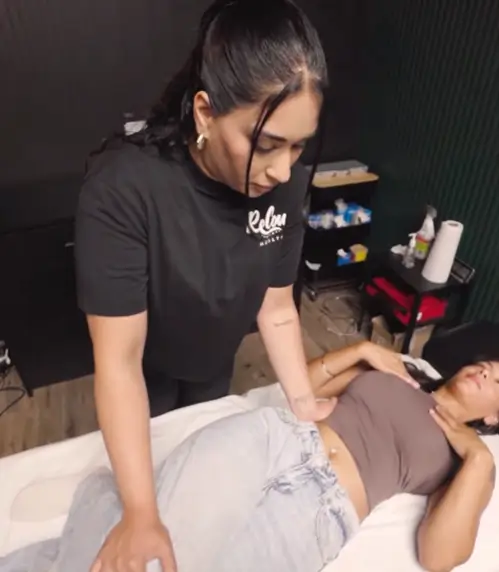
Soft tissue work eases spasm and tightness around the injured area.
See massage therapy
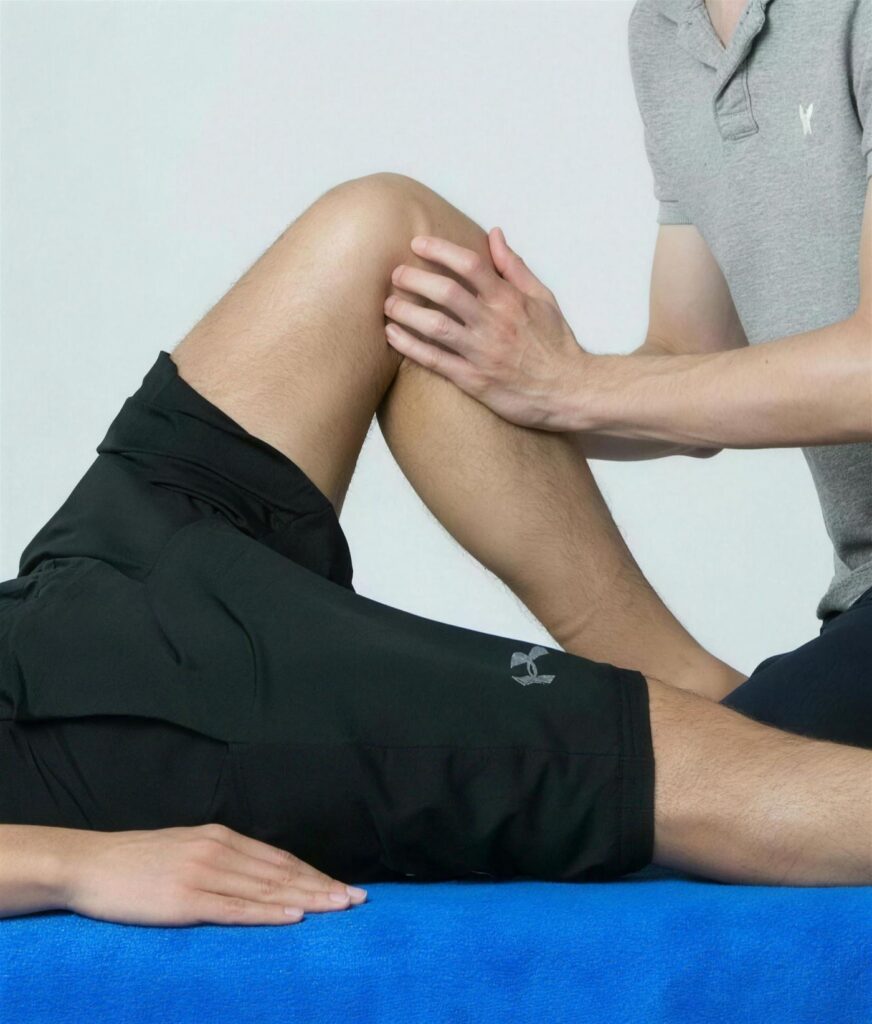
Assisted stretching restores flexibility once the tissue has healed enough.
See fascial stretch therapy
Your recovery plan
01
Relative rest, compression and gentle motion in the first days.
02
Progressive loading helps new tissue grow strong and flexible.
03
Sport or job-specific drills confirm you're ready for full effort.
For the first couple of days, protect the area and keep swelling down, then ask one of our practitioners when to start loading it again.
Ease off sharp pain
Back off activities that sharply increase pain early on.
Raise and compress
Lift the limb and use a wrap to help limit swelling.
Start moving early
Gentle range of motion within comfort helps prevent stiffness.
Build back gradually
Increase walking, lifting or running in small steps.
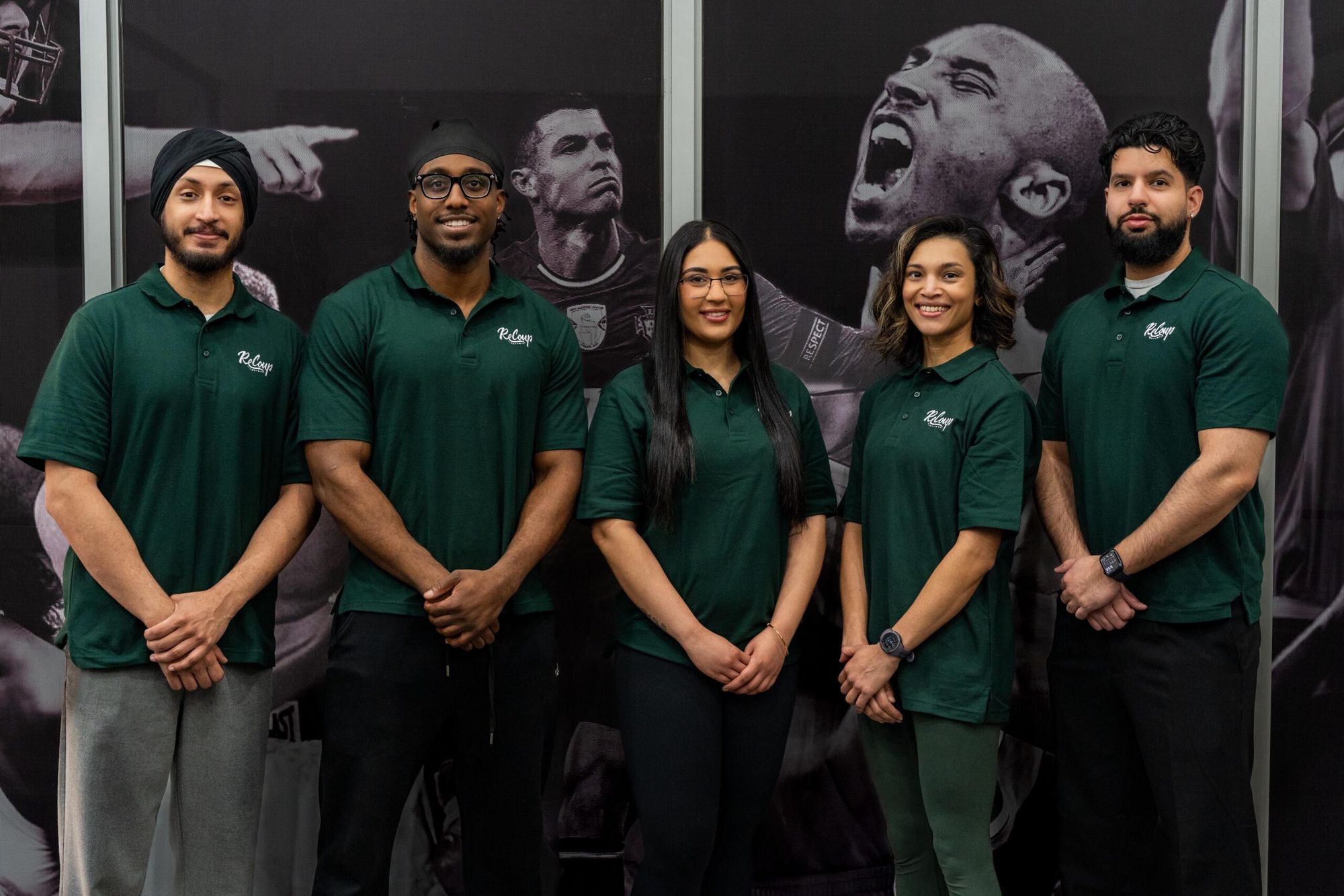
Practitioners who treat muscle sprains and strains
Sprains and strains FAQ
Can’t find your answer? Call us at 905-605-9020 or email info@recouphealth.ca.
You can often tell a sprain from a strain by where it hurts, since sprains affect joints and strains affect muscles or tendons. The two can feel similar, so an assessment that tests the ligaments and muscles gives a clearer answer.
Muscle strains take a few days to heal when they're mild, and several weeks or longer for more serious tears. Healing time also depends on which muscle is involved and how well it's rehabilitated.
You shouldn't stretch a pulled muscle hard in the first few days, because that can irritate the healing fibres. Gentle movement within comfort is better early on, with stretching and strengthening added as it settles.
Ice or a cold pack is usually better for a fresh strain to ease pain, while heat can relax a tight muscle after the first few days. Neither replaces gradual exercise.
Massage can help a muscle strain once the early, painful stage has passed by easing spasm and tension in the area. Your massage therapist will avoid deep pressure over a fresh injury.
You can lower the chance of straining the same muscle again by finishing rehab, building strength through full range and warming up properly. A gradual return matters more than any single exercise, and back strains are covered on our lower back pain page.
Related conditions
Reclaim · Recover · Recoup
Book online in under a minute, or call and our front desk will match you with the right practitioner for your concern.
Visit the clinic
71 Innovation Dr, Unit 6
Vaughan, ON L4H 0S3
Mon to Fri · 9 am to 8 pm
Saturday · 9 am to 4 pm
Sunday · Closed