71 Innovation Dr, Unit 6, Vaughan · No referral needed · Direct billing available
Mon to Fri 9 am to 8 pm · Sat 9 am to 4 pm
71 Innovation Dr, Unit 6, Vaughan · No referral needed · Direct billing available
Mon to Fri 9 am to 8 pm · Sat 9 am to 4 pm
Protect the joint · Stay active · Heal with support
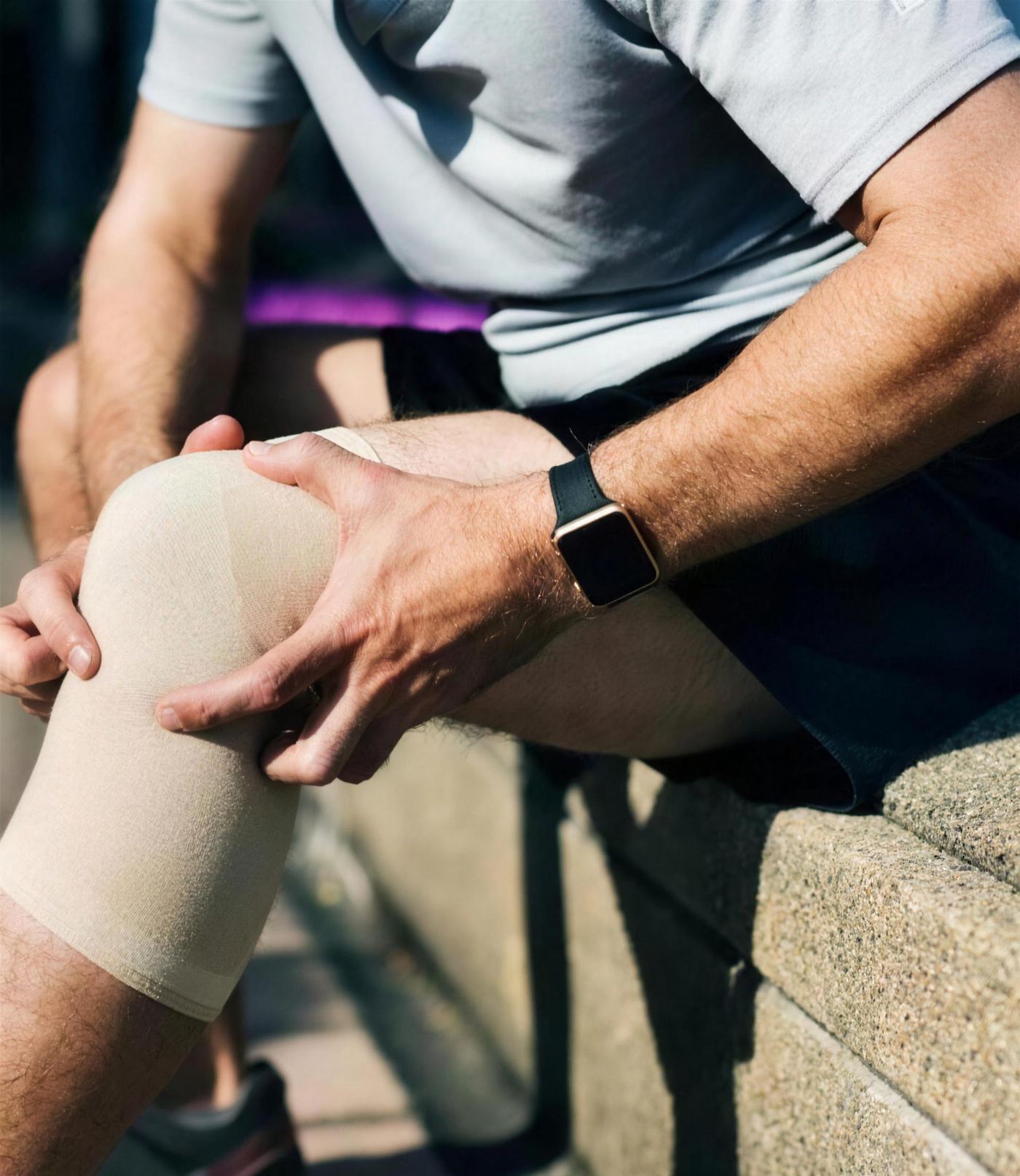
Recoup Health offers knee braces and ankle supports in Vaughan, along with wrist, elbow and shoulder braces, chosen after an assessment so the brace protects an injured or unstable joint without limiting more movement than it needs to.
No referral
Book directly
Assessment first
Right brace, right fit
On-site gym
Rehab alongside bracing
Joint support
A brace can protect a healing joint, help it feel more stable and let you stay active while it recovers.
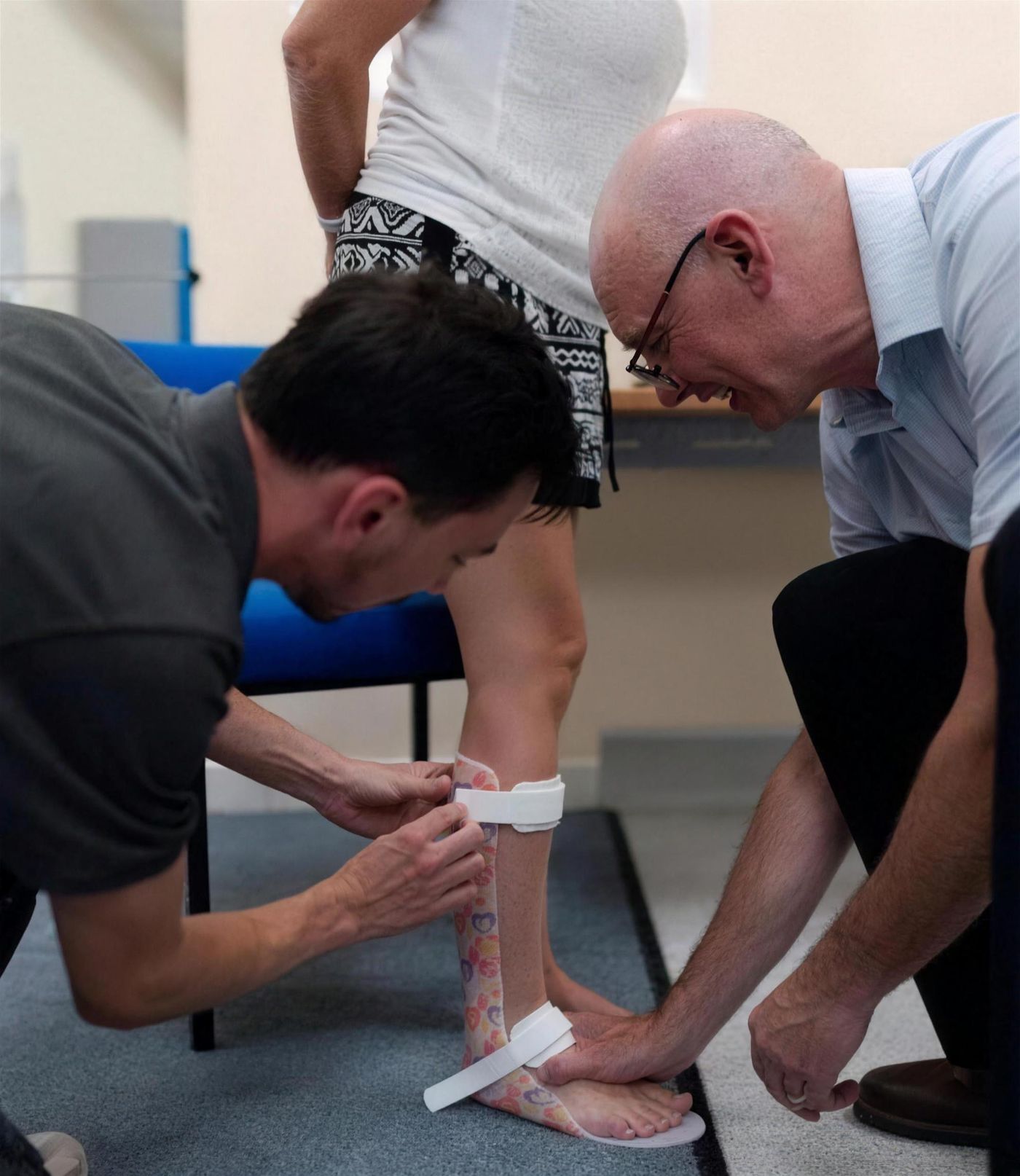
Braces aren't one size fits all. A fresh ankle sprain may need firm support for a short time, while a knee with ongoing arthritis-related pain might do better with a lighter sleeve during long walks. Our practitioners assess the joint, your injury and the activities you want to keep doing before recommending a brace. We then check the fit, show you how to put it on correctly and explain when to wear it.
Good to know
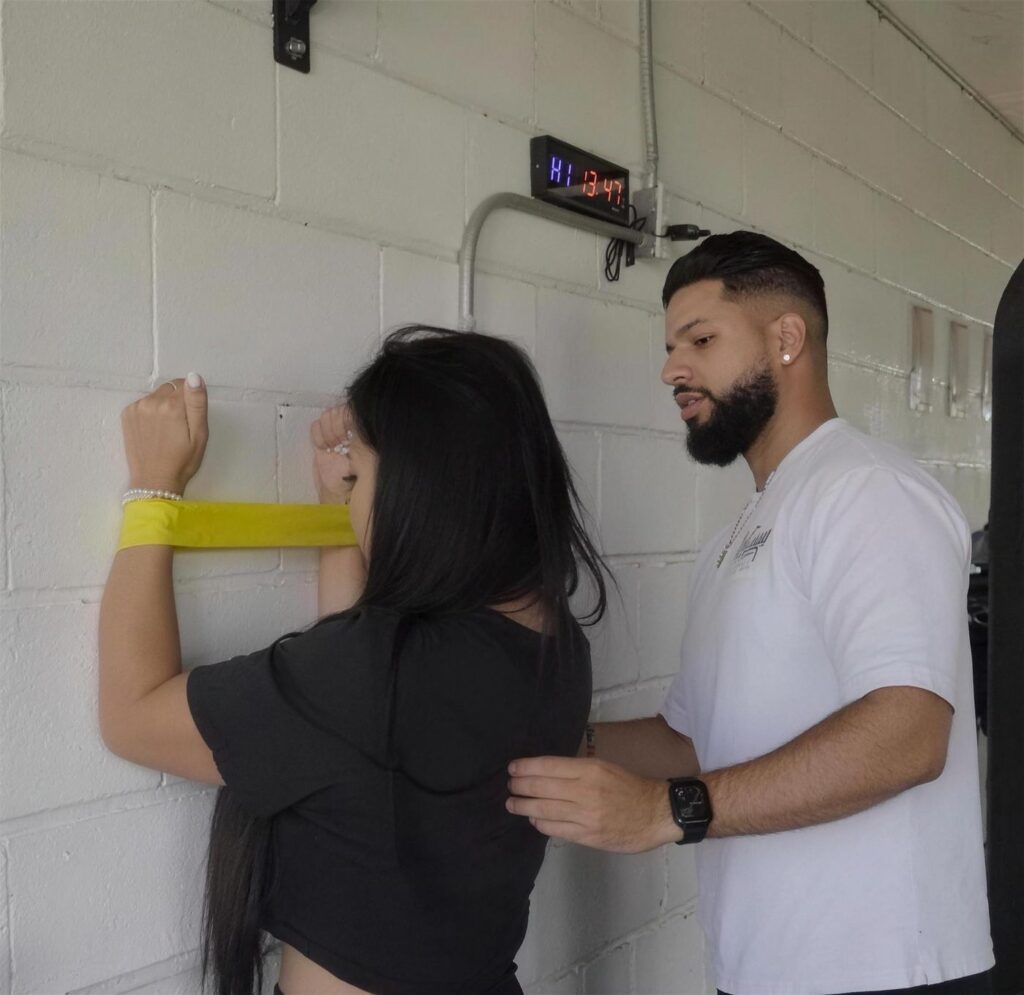
A brace works best when it's paired with rehab that rebuilds the strength the joint needs. We often combine bracing with physiotherapy to strengthen the area, sports injury rehab or rehab after joint surgery. As you get stronger, we'll help you rely on the brace less often. Fittings take place at Recoup Health's Vaughan clinic, and you can book without a referral.
What we help treat
Braces can support many joints and injuries, from a recent sprain to a joint that feels unreliable during sport. Common reasons patients ask about bracing include the following.
Ligament injuries
Post-surgical joint support
Joint weakness during activity
Mild knee pain or swelling
Ankle instability
Sports injury protection
Joint protection during rehab
Overuse injuries
Activity-related joint discomfort
General joint support during movement
How we work
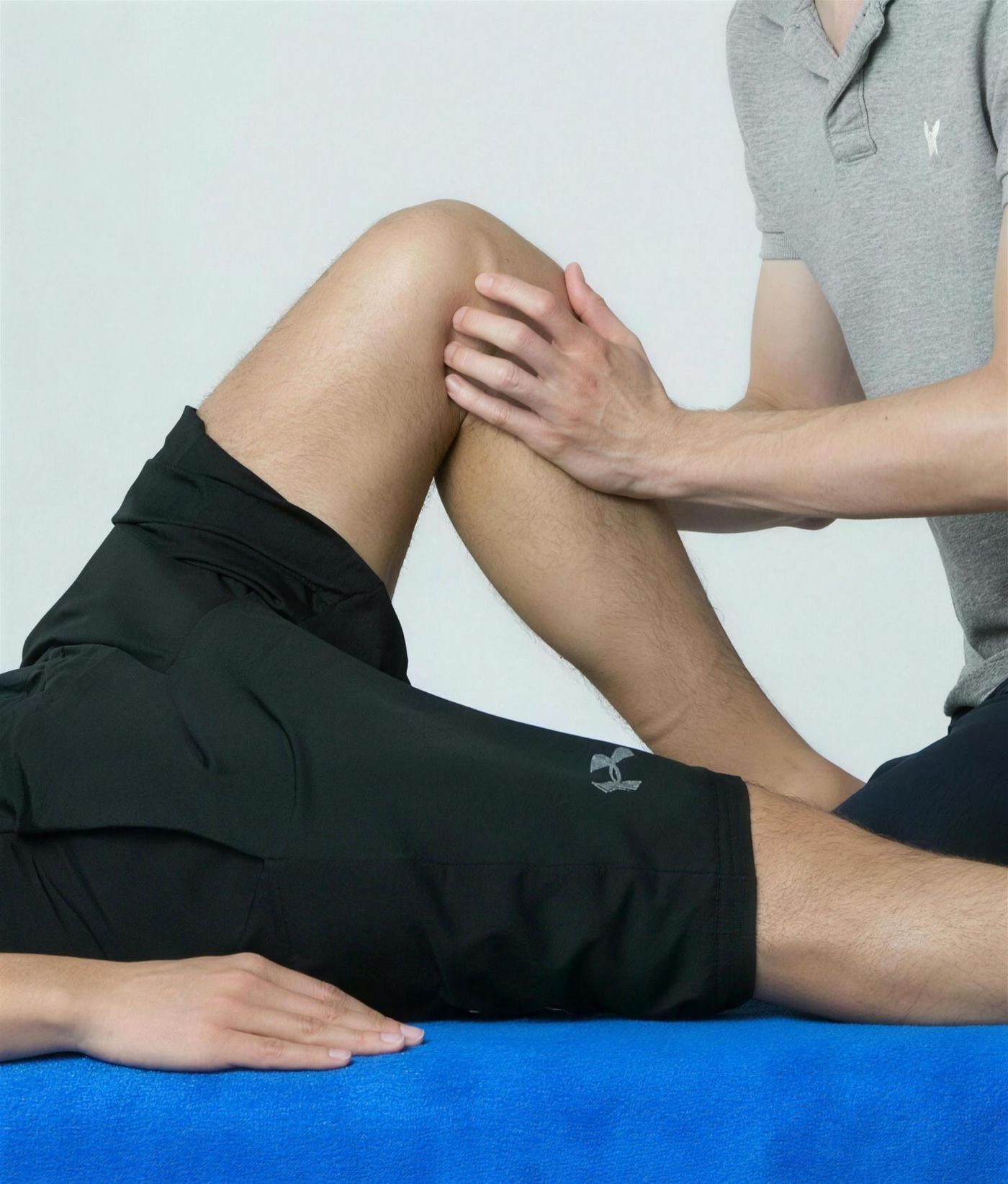
We start by examining the joint, testing its stability and asking how and when it bothers you. The brace we suggest matches the level of support your injury needs right now.
Your bracing plan is designed to help you:
Improve joint stability
Protect the injured area during activity
Reduce strain on muscles and ligaments
Support recovery after injury or surgery
Move through daily tasks with more confidence
We'll review how the brace is working at follow-up visits and change the type of support as your needs change.
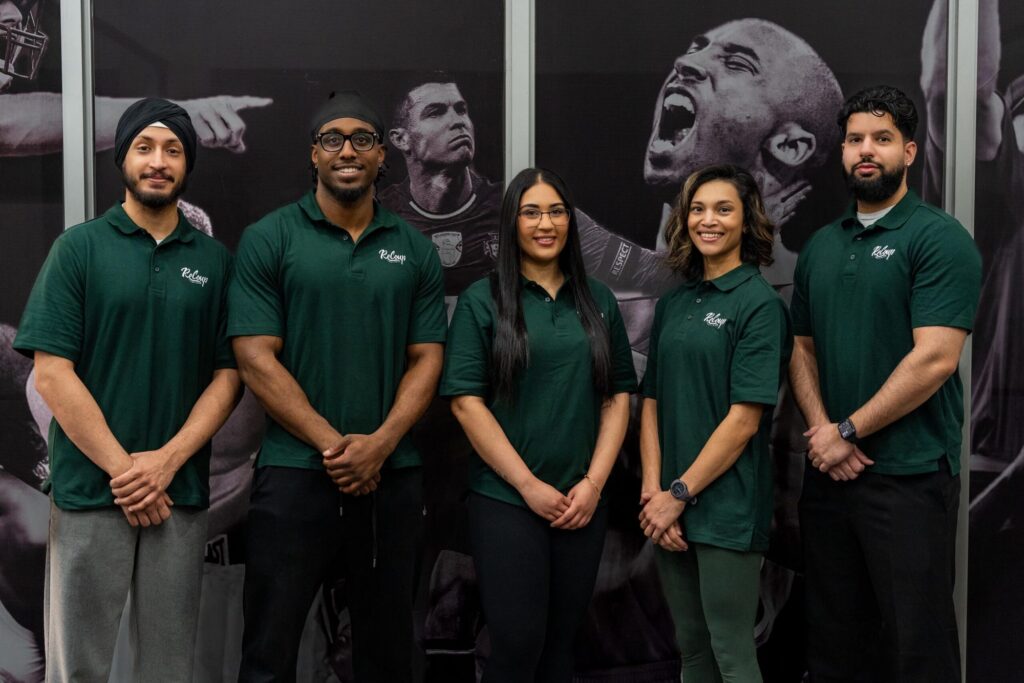
Your care team
Our practitioners assess the joint, recommend a brace and check the fit, and they can connect your bracing plan with physiotherapy or sports rehab at the clinic.
Why patients choose Recoup Health
Buying a brace off a store shelf is a guess. Here, the brace is chosen after an assessment, fitted on the joint and reviewed as you recover, so you're not wearing more support than you need. You'll also have rehab available in the same clinic. Meet the practitioners on our team.
We test the joint before recommending any brace.
We make sure the brace sits correctly and stays comfortable.
Strength work helps you rely less on the brace over time.
We offer support for knees, ankles, wrists, elbows and shoulders.
Your first visit
Your first appointment is our chance to understand what’s going on, how it’s affecting you and the best next steps.
Please arrive a little early if you have paperwork to complete.
We start with a conversation about your symptoms, health history, lifestyle and goals, then a physical evaluation of how your body moves and where limits may be coming from.
Once we identify the issue, we explain what we found, answer your questions and map out a plan that fits your needs.
Braces FAQ
Can’t find your answer? Call us at 905-605-9020 or email info@recouphealth.ca.
Whether you need a knee brace depends on your injury, how stable the knee feels and what activities you're doing. A brace can help after a ligament injury or when the knee gives way, but not every sore knee needs one.
Wearing an ankle brace after a sprain can protect the ligaments while they heal and help you return to activity with more confidence. Rehab exercises are still important, because a brace doesn't rebuild balance or strength on its own.
You can wear many braces while playing sports, and some are designed specifically for activity. We'll recommend a style that suits your sport and the level of protection you need.
How long you should wear a brace depends on your injury and how quickly your strength and stability return. We'll review your progress and help you cut back once the joint is ready.
Braces are covered by some extended health plans, though many require a prescription or specific paperwork. Check with your insurer first, and contact our front desk with any questions.
You should see a doctor before getting a brace if you can't bear weight, the joint looks deformed or you heard a loud pop followed by rapid swelling. Those signs may point to a fracture or a serious ligament tear that needs medical imaging first.
Related services
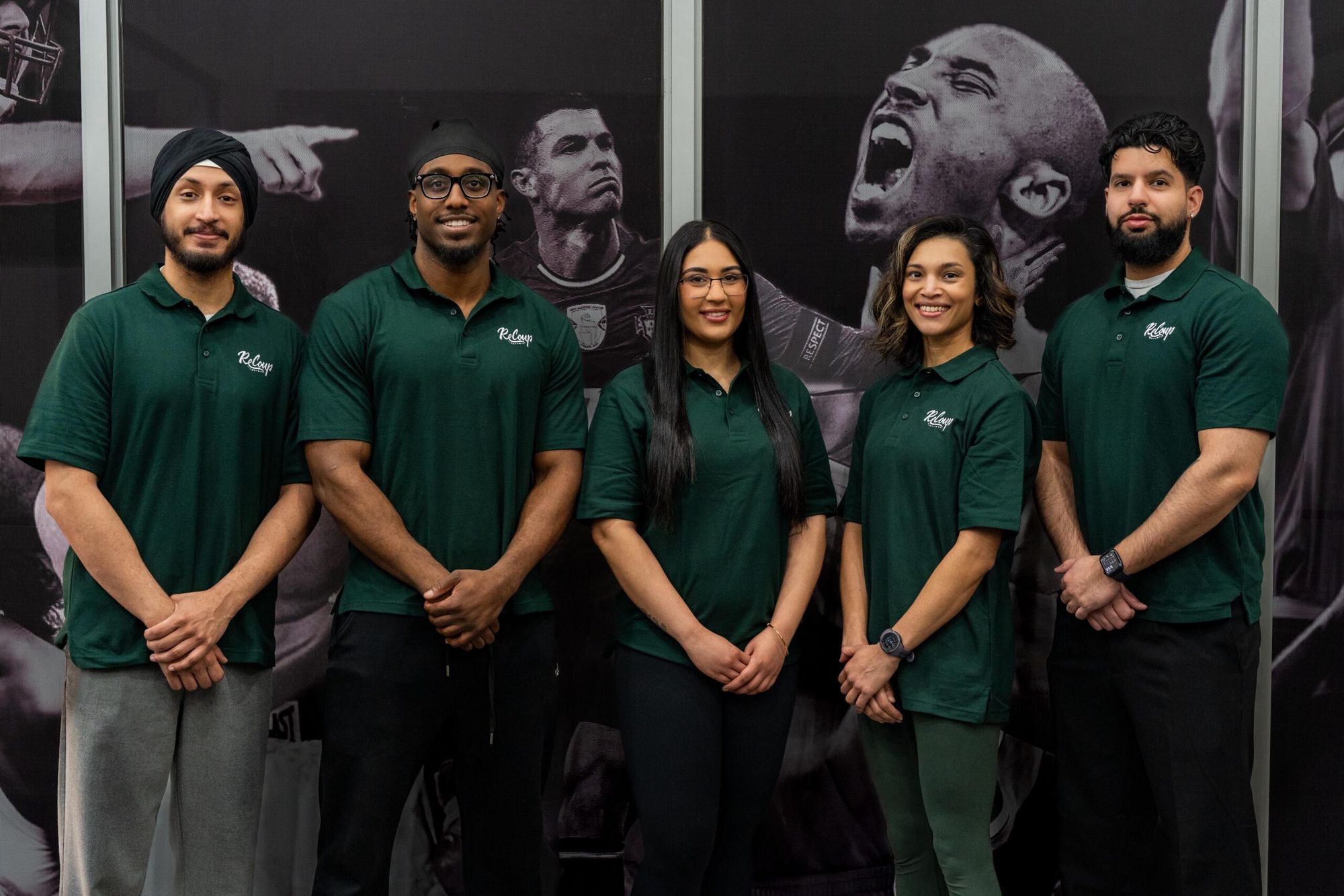
Reclaim · Recover · Recoup
Book online in under a minute, or call and our front desk will match you with the right practitioner for your concern.
Visit the clinic
71 Innovation Dr, Unit 6
Vaughan, ON L4H 0S3
Mon to Fri · 9 am to 8 pm
Saturday · 9 am to 4 pm
Sunday · Closed