71 Innovation Dr, Unit 6, Vaughan · No referral needed · Direct billing available
Mon to Fri 9 am to 8 pm · Sat 9 am to 4 pm
Home / Conditions / Knee pain
Hip, knee and leg · Condition guide
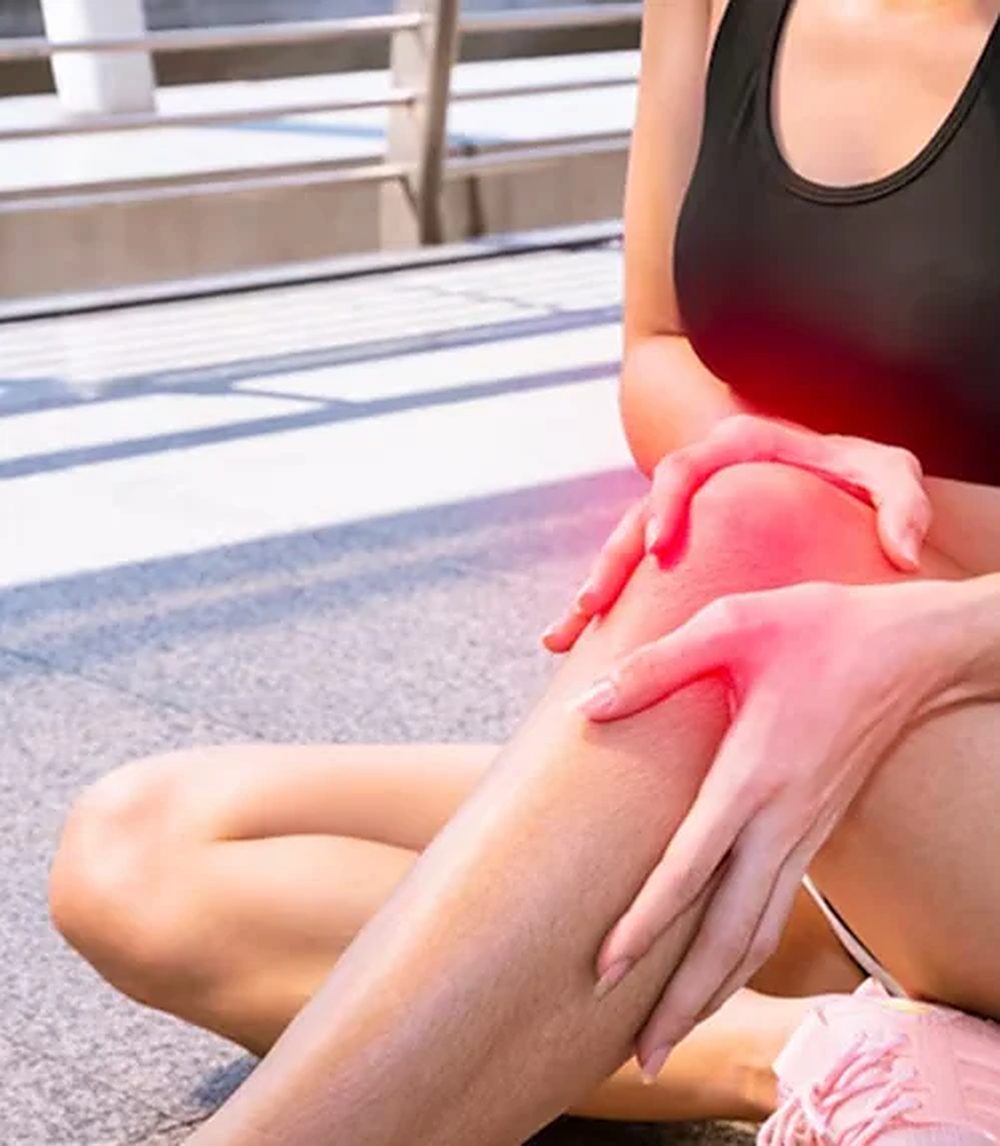
Recoup Health provides knee pain treatment in Vaughan for sports injuries, overuse and arthritis, because stairs, squats, kneeling and long walks ask a lot of your knees. Our physiotherapists combine hands-on care with strength training in our on-site rehab gym, with no referral needed and direct billing to most insurers.
Treated with
Physio, bracing, strength training
Referral
Not needed
Billing
Direct to most insurers
Knee pain can come from the joint surfaces, the cartilage cushions called menisci, the ligaments that hold the knee steady, or the tendons around the kneecap.
Where the pain sits is a useful clue. Pain at the front often involves the kneecap or patellar tendon, pain on the inner or outer side can point to a meniscus or ligament, and a deep ache with stiffness is common with knee osteoarthritis. Your hips and feet matter too, since weakness or poor alignment above and below can overload the knee. At our Vaughan rehab clinic, your assessment looks at all three areas.
●
Pain on stairs, when squatting or when getting up from a chair
●
Swelling or puffiness around the joint
●
Clicking, catching or a feeling that the knee might give way
●
Stiffness after sitting or first thing in the morning
●
Pain at the front of the knee after running or kneeling
●
Twisting or pivoting injuries in soccer, basketball and skiing
●
A quick increase in running, hiking or jumping
●
Weak hip and thigh muscles that let the knee drift inward
●
Gradual changes in the cartilage with age
●
Flat feet or other foot mechanics that change how load reaches the knee
Go to the emergency department if you can't put weight on the leg, the knee looks deformed, or it swells up within an hour or two of an injury. A knee that locks and won't straighten, a hot, red joint with a fever, or calf pain with swelling, which can signal a blood clot, also needs a physician's care before rehab.
Treatment options at Recoup Health
We look at how you squat, step and balance, then build a personalized plan that strengthens the muscles supporting the joint. Contact Recoup Health if you're unsure whether your knee needs physiotherapy, bracing or both.
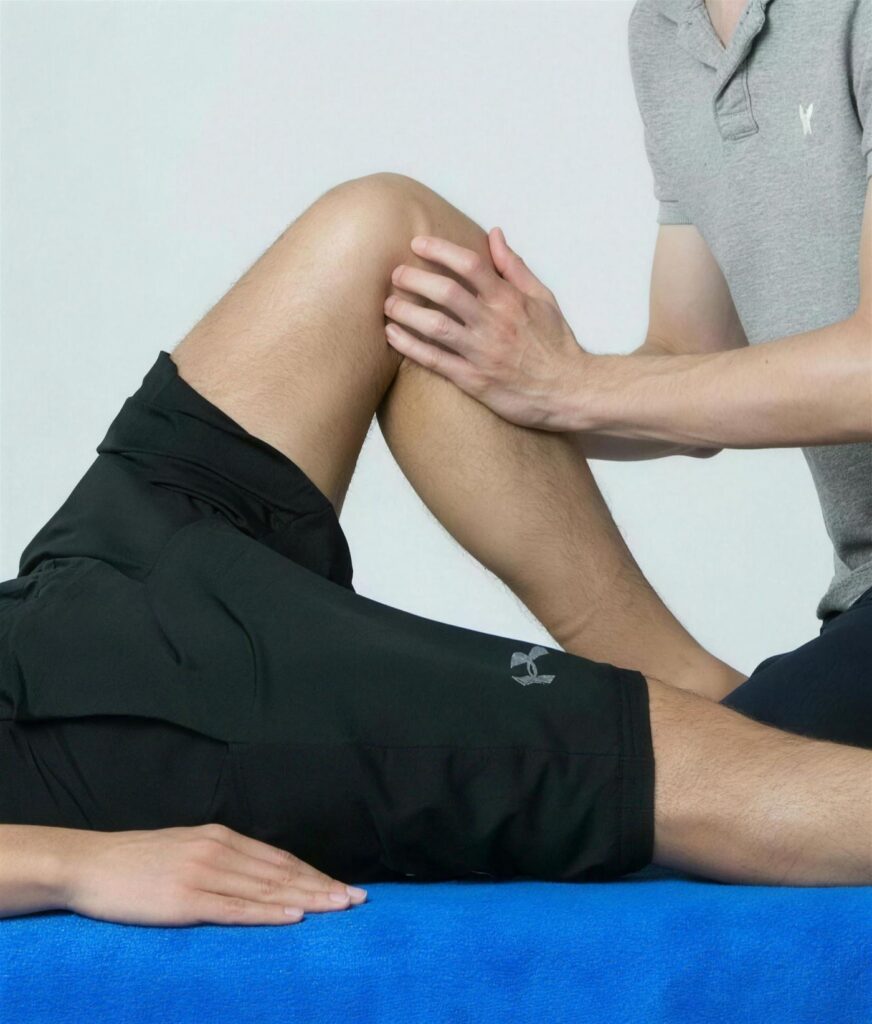
Knee physiotherapy pairs joint mobilization with progressive strength work for the quads, hamstrings and hips.
See physiotherapy
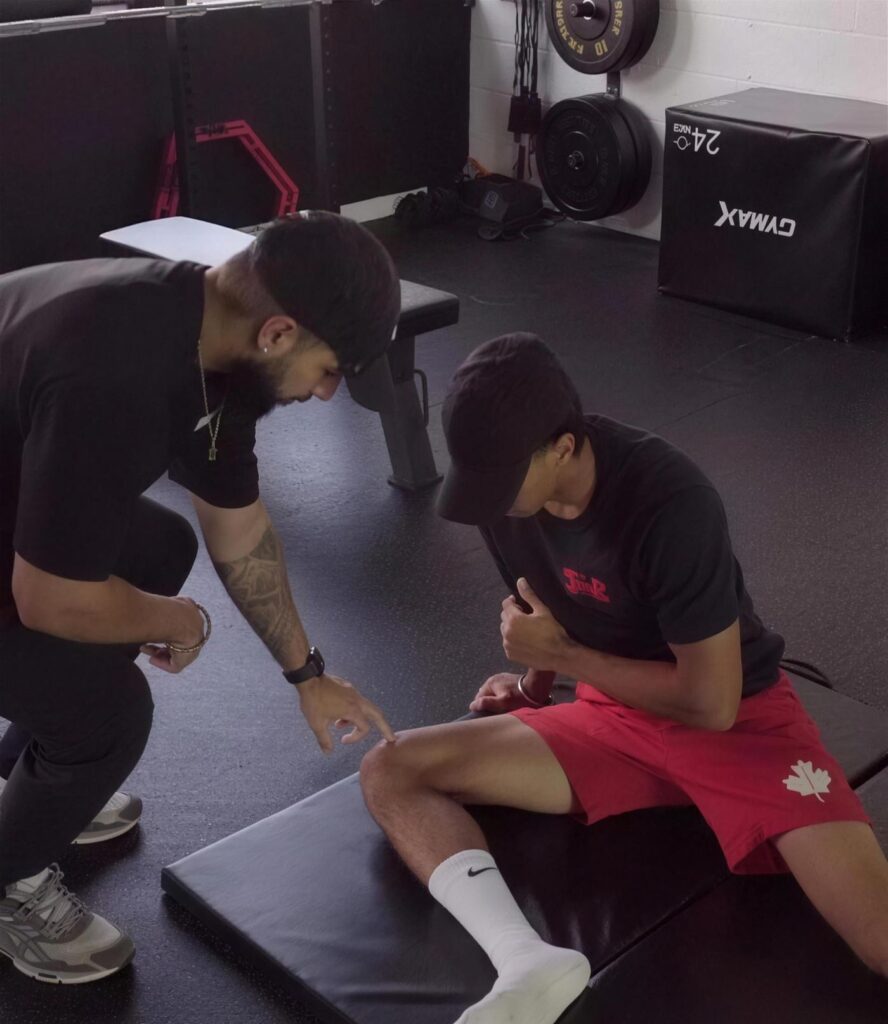
Return-to-sport testing and drills after ligament, meniscus or tendon injuries.
See sports physiotherapy
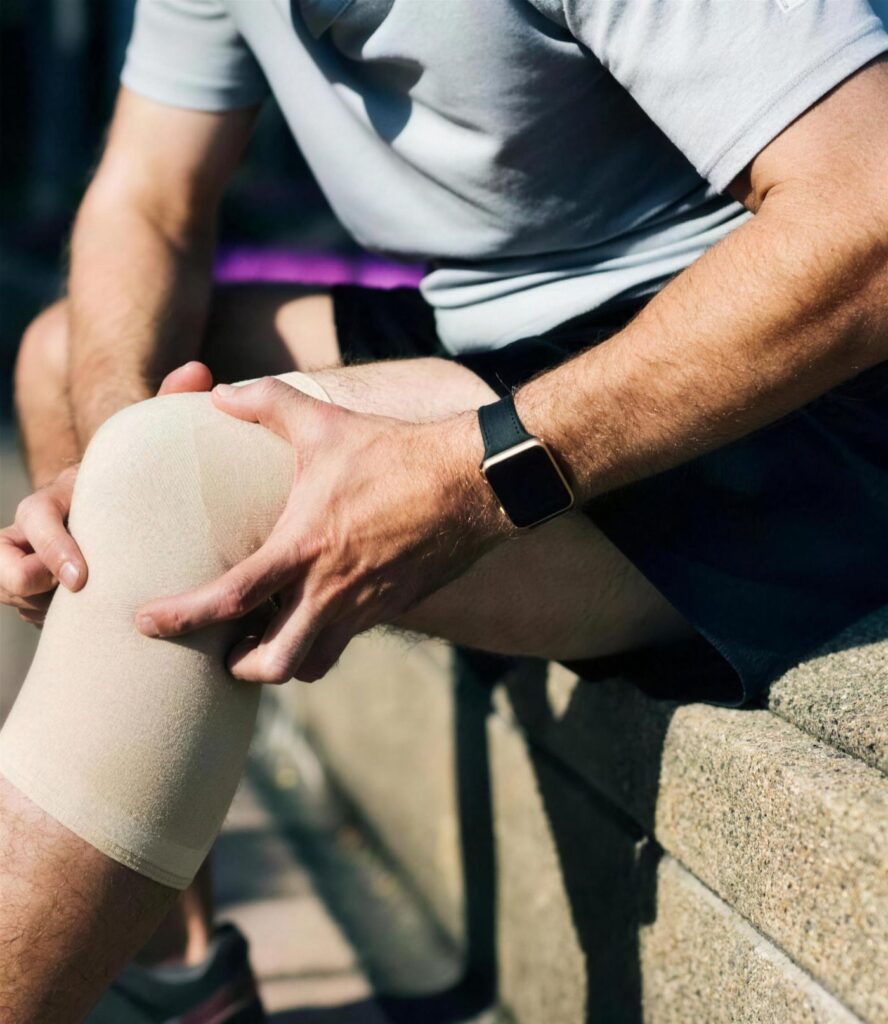
A knee brace can support an unstable or arthritic joint during activity.
See braces
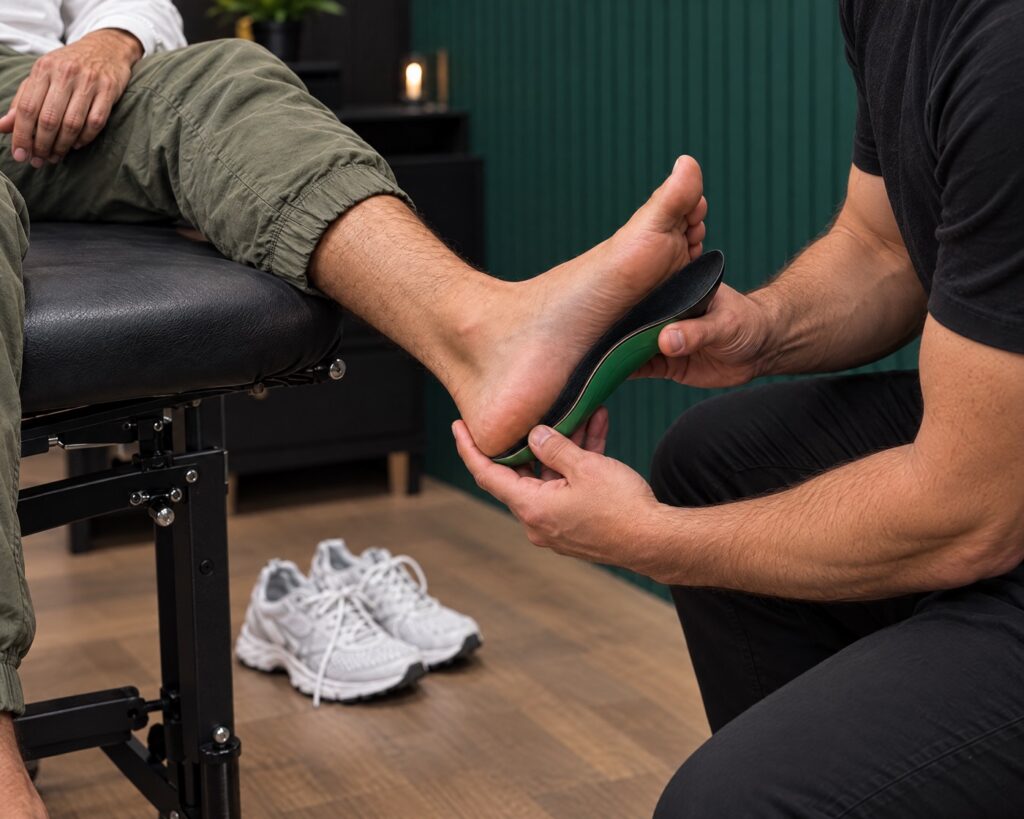
Custom orthotics help when foot posture adds stress to the knee.
See orthotics
Your recovery plan
01
Ease swelling and pain with hands-on care and short-term activity changes.
02
Rebuild bending, straightening and balance so the knee tracks well.
03
Progress to stairs, running, jumping or lifting in the rehab gym.
Many knees feel better when you stay active within comfortable limits, and our physiotherapists and performance coach can show you where those limits are.
Keep it moving
Gentle cycling or walking on flat ground keeps the joint from stiffening.
Strengthen your thighs
Simple sit-to-stand and straight-leg raise exercises support the knee.
Manage swelling
Raise the leg and use a cold pack after activity if the knee puffs up.
Check your shoes
Supportive, well-fitting footwear can reduce strain on long walks.
Practitioners who treat knee pain
Knee pain FAQ
Can’t find your answer? Call us at 905-605-9020 or email info@recouphealth.ca.
Physiotherapy can help many types of knee pain without surgery, including many meniscus tears, kneecap pain and arthritis. Strengthening the muscles around the knee often reduces pain and improves function, and we'll tell you if your knee needs a surgical opinion.
A painful knee usually does better with relative rest than complete rest. Cut back on activities that clearly flare it, but keep moving in comfortable ways so the muscles don't weaken.
Your knee may hurt going down stairs because that movement puts heavy load through the kneecap and thigh muscles as they control the bend. Weak quads or hips, kneecap irritation and arthritis are common reasons, and targeted strength work often helps.
A brace for knee pain helps some people feel more stable, especially with ligament injuries or arthritis. Our team can assess whether a knee brace suits your situation and help you choose one.
A knee injury is more likely to be serious if it swelled quickly, gives way, locks, or won't take your weight. Those signs need a physician's assessment, and rehab can start once you're cleared.
Knee pain can come from your hip or back, since nerves and muscles from those areas affect the knee. Pain that travels down the back of the leg may relate to sciatica, so we check the whole chain.
Related conditions

Reclaim · Recover · Recoup
Book online in under a minute, or call and our front desk will match you with the right practitioner for your concern.
Visit the clinic
71 Innovation Dr, Unit 6
Vaughan, ON L4H 0S3
Mon to Fri · 9 am to 8 pm
Saturday · 9 am to 4 pm
Sunday · Closed