71 Innovation Dr, Unit 6, Vaughan · No referral needed · Direct billing available
Mon to Fri 9 am to 8 pm · Sat 9 am to 4 pm
Home / Conditions / Spinal stenosis
Back and spine · Condition guide
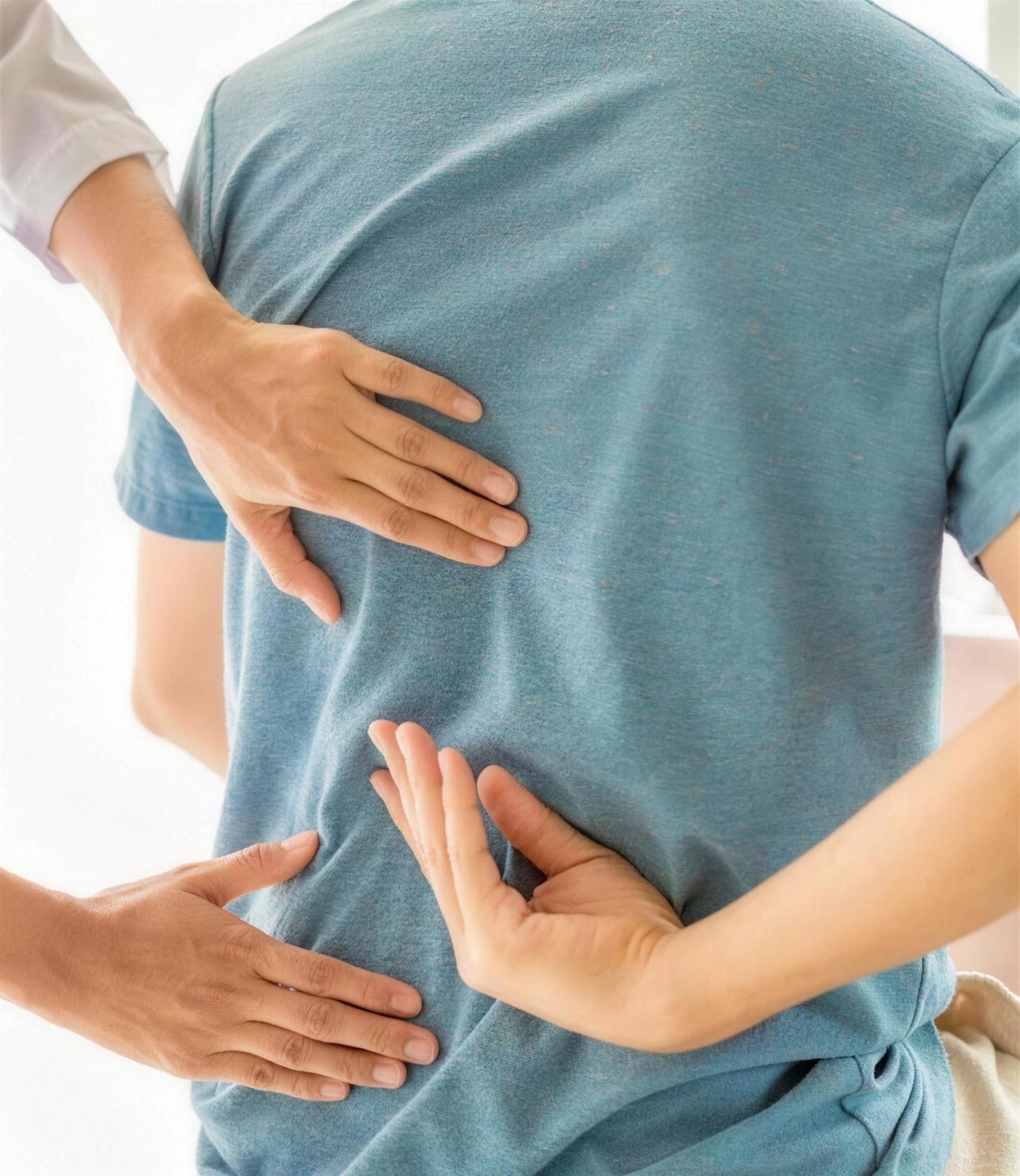
Spinal stenosis is a narrowing of the spaces in the spine that can squeeze nerves and make standing or walking uncomfortable. Recoup Health provides spinal stenosis treatment in Vaughan that focuses on easing that pressure, improving mobility and building the strength to stay on your feet longer, with direct billing to most insurers.
Treated with
Physio, chiropractic, osteopathy
Referral
Not needed
Billing
Direct to most insurers
Spinal stenosis means the spinal canal, or the small openings where nerves leave the spine, has become narrower than normal. It's most common in the lower back and neck, and it usually develops slowly over years.
With age, discs lose height, joints thicken and ligaments stiffen, and all of these can take up space around the nerves. Plenty of people have narrowing on a scan with no symptoms at all. When symptoms do appear, the classic sign is leg pain, heaviness or tingling that builds when you stand or walk and eases when you sit or lean forward. Stenosis often appears alongside osteoarthritis of the spine, and it can be one source of sciatic leg pain.
●
Leg pain, cramping or heaviness when standing or walking
●
Relief when you sit down or lean forward on a shopping cart
●
Numbness or tingling in the buttocks, legs or feet
●
Lower back stiffness, especially in the morning
●
Shorter walking distance or balance that feels less steady
●
Age-related wear and thinning of the spinal discs
●
Arthritis and bone spurs in the small facet joints
●
Thickening of the ligaments inside the spinal canal
●
An old disc injury or spinal fracture
●
A naturally narrow spinal canal, which is less common
Seek emergency care right away if spinal stenosis symptoms come with loss of bladder or bowel control, numbness around the groin, or sudden weakness in your legs. Stenosis in the neck that causes clumsy hands, trouble with buttons or an unsteady walk needs a physician's assessment before any rehab. Leg pain with walking that comes with cold feet or skin colour changes should also be checked by a doctor, because circulation problems can look similar.
Treatment options at Recoup Health
Exercise is a key part of care for stenosis, often paired with hands-on treatment that eases stiffness through the spine and hips. You can see who's on our rehab team and choose the practitioner who suits you.
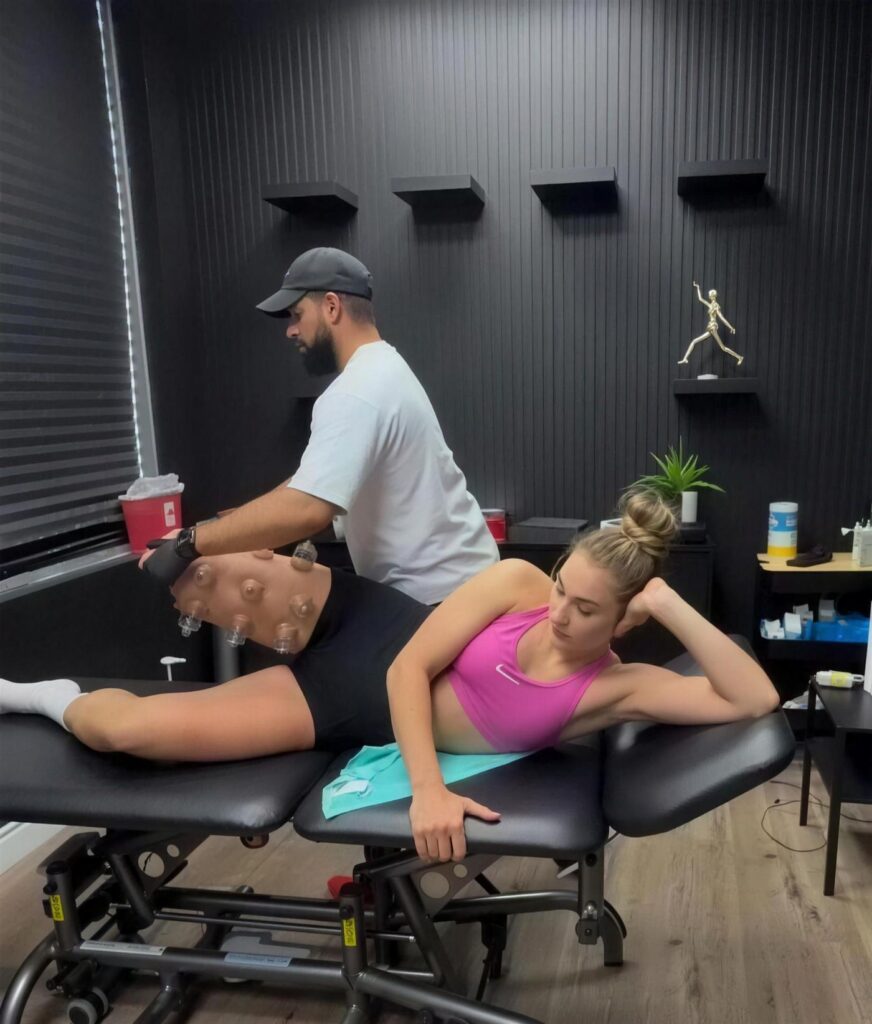
Flexion-based exercise, a walking program and balance work to build standing and walking tolerance.
See physiotherapy
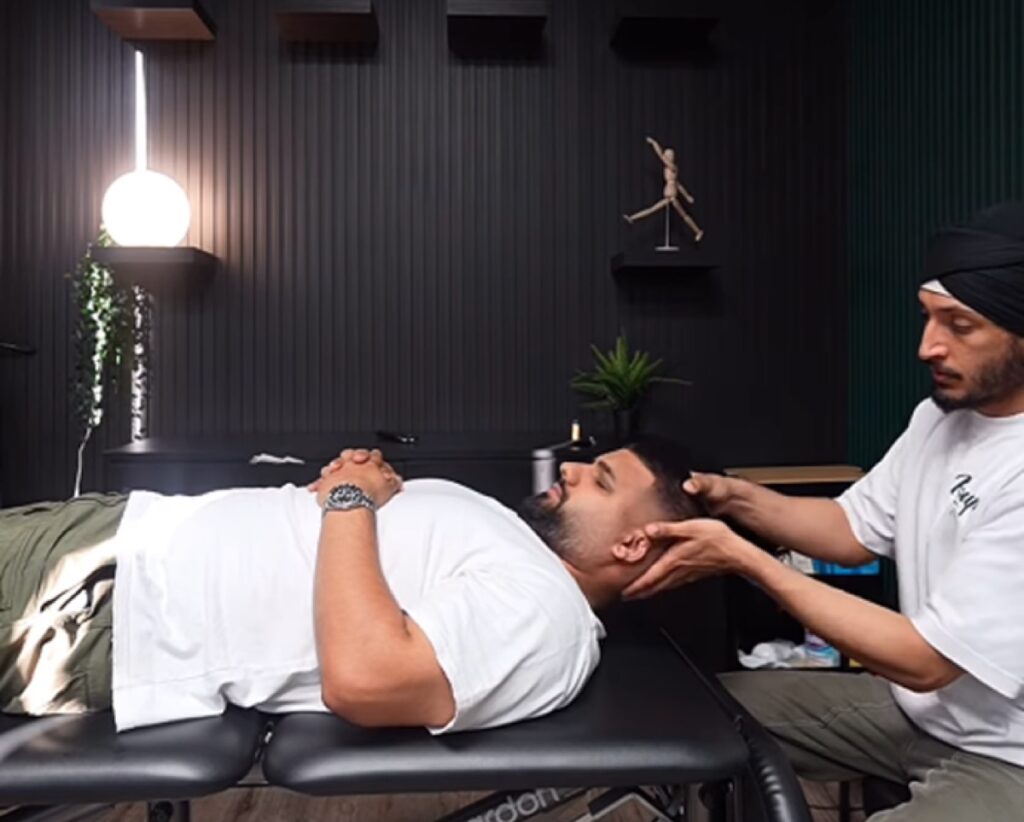
Gentle mobilization for the lower back and hips to reduce stiffness that adds to nerve load.
See chiropractic care
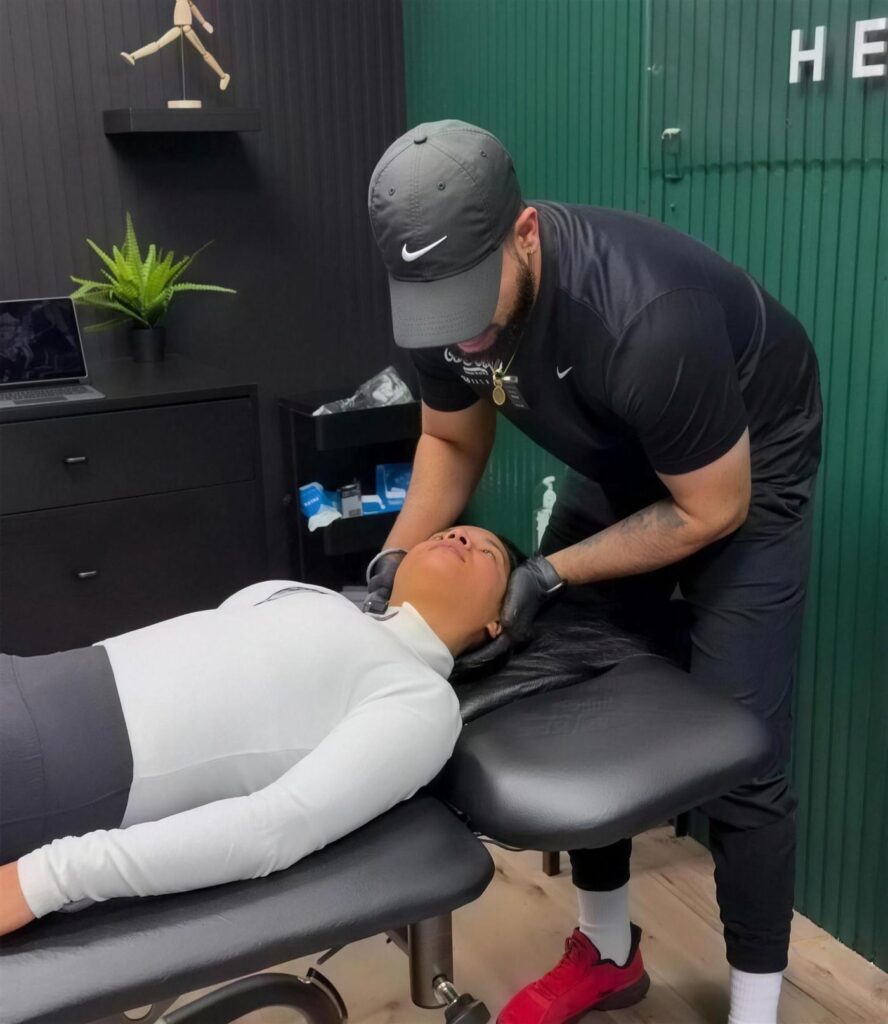
Soft tissue and joint techniques that help the spine and pelvis move more freely.
See osteopathy
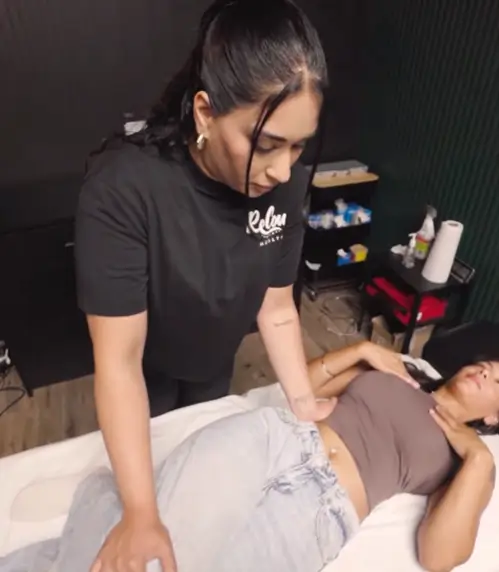
Eases tight hip flexors, glutes and low back muscles that stiffen around a narrowed spine.
See massage therapy
Your recovery plan
01
Positions, hands-on care and gentle forward-bending movements that take pressure off the nerves.
02
Hip and spine mobility work so standing upright and walking feel easier.
03
Leg, core and balance training, plus a walking plan you can progress at your own pace.
These general strategies help many people with stenosis stay active between visits. For advice that fits your symptoms, get in touch with our clinic.
Use a stationary bike
Cycling lets you exercise while leaning slightly forward, which many people with stenosis find easier.
Walk with rest stops
Plan short walks with breaks, and lean forward or sit when leg symptoms build.
Try knee-to-chest stretches
Gently bringing your knees toward your chest can open up the lower spine.
Train your balance
Stand on one leg beside a kitchen counter for a few seconds to support steadier walking.
Practitioners who treat spinal stenosis
Spinal stenosis FAQ
Can’t find your answer? Call us at 905-605-9020 or email info@recouphealth.ca.
Physiotherapy can help spinal stenosis by improving how well you tolerate standing and walking, even though it can't widen the spinal canal itself. Treatment focuses on flexibility, leg and core strength, and a walking plan. Many people with mild to moderate stenosis manage their symptoms well with exercise-based care.
Spinal stenosis hurts more when you walk because standing upright slightly narrows the spaces where the nerves travel. Bending forward or sitting opens those spaces again, which is why leaning on a cart or taking a seat often brings relief. This pattern is one of the clearest clues to stenosis.
Chiropractic care can be safe with spinal stenosis when techniques are chosen with your age, bone health and symptoms in mind. Gentle mobilization and soft tissue work are often preferred over forceful adjustments for stenosis. Your chiropractor will also check for any signs that need a medical opinion first.
Not everyone with spinal stenosis needs surgery, and many people try conservative care first. Surgery may be discussed when symptoms are severe, keep getting worse or seriously limit walking despite treatment. That decision is made with your physician or surgeon, and we can support you with rehab before and after spine surgery.
Good exercises for spinal stenosis usually involve gentle forward bending, hip mobility, and core and leg strength. Cycling, short walks and water exercise are often easier than long walks on flat ground. Your physiotherapist will choose movements that match how far you can currently walk.
Spinal stenosis isn't the same as arthritis of the spine, but the two are closely linked. Arthritis can thicken joints and form bone spurs that crowd the nerves, which leads to stenosis. Care at Recoup Health in Vaughan addresses both the stiffness of arthritis and the nerve symptoms of stenosis.
Related conditions

Reclaim · Recover · Recoup
Book online in under a minute, or call and our front desk will match you with the right practitioner for your concern.
Visit the clinic
71 Innovation Dr, Unit 6
Vaughan, ON L4H 0S3
Mon to Fri · 9 am to 8 pm
Saturday · 9 am to 4 pm
Sunday · Closed